How to prepare your tech company for a rebrand
A rebrand is not just a new logo. Here's a step-by-step framework for engineering and technology companies ready to evolve their brand.
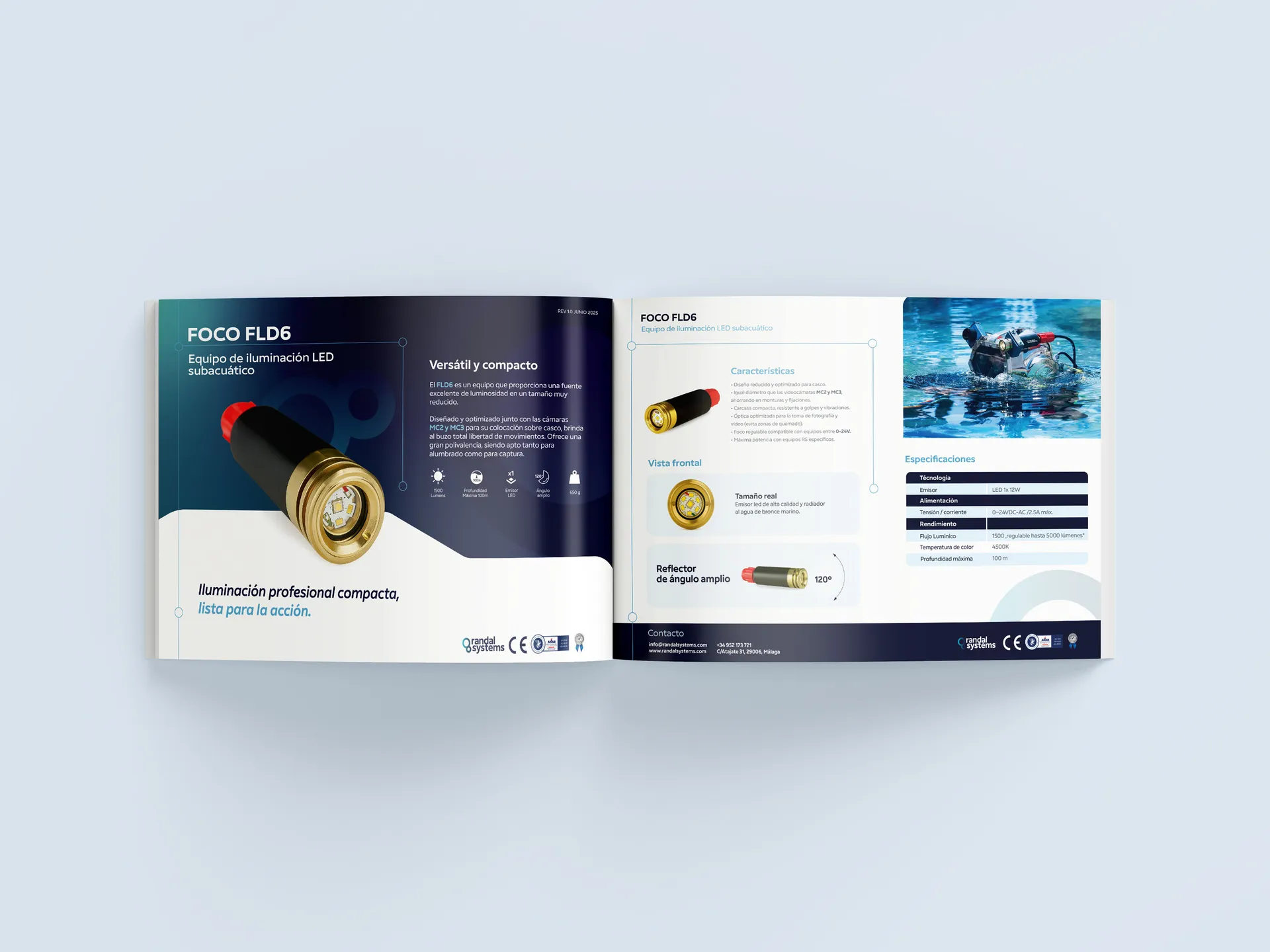
Rebranding a technology company is one of the highest-leverage decisions leadership can make, and also one of the most misunderstood. Too many CTOs and founders treat it as a cosmetic exercise: swap the logo, pick new colors, update the website. But a true rebrand is a strategic reset. It redefines how the market perceives your company, how your team talks about what you do, and how every touchpoint, from your pitch deck to your onboarding emails, reinforces a single, coherent story. This guide walks you through the entire process, from recognizing the trigger to executing a rollout that sticks.
The rebrand trigger: signals that your brand has outgrown your company
Every rebrand starts with a disconnect. The most common trigger is that your company has evolved faster than your brand. Maybe you launched as a niche SaaS tool and now serve enterprise clients across multiple verticals. Maybe you merged with another company or pivoted your core offering. Whatever the cause, the symptom is the same: what people see when they encounter your brand no longer reflects what your company actually does or where it is headed.
There are concrete signals you can watch for. Your sales team is spending the first ten minutes of every call explaining what your company actually does because the website tells a different story. Prospective clients assume you are smaller or less capable than you are. Top talent passes on your offers because the brand feels dated or unclear. Your competitors, some of whom have inferior products, are winning deals because they simply look more credible.
Recognizing these signals early matters because a rebrand takes time to do well. If you wait until the brand is actively hurting revenue, you are already behind. The best time to rebrand is when the company is growing and confident, not when it is desperate for a lifeline. A rebrand from a position of strength carries momentum. One driven by panic tends to produce rushed, shallow results.
Internal alignment first: getting leadership on the same page
Before you brief a single designer or write a single creative brief, you need alignment at the leadership level. This is the step most companies skip, and it is the reason most rebrands fail or stall. A rebrand touches every department. Marketing will own the rollout, but sales needs to understand the new positioning, product needs to align the interface, HR needs to update recruiting materials, and the CEO needs to be able to articulate the new brand story in thirty seconds.
Start with a working session where the leadership team answers foundational questions together. Where is the company going in the next three to five years? What do we want to be known for? Who is our ideal customer, and what do they care about? What are the three words we want people to associate with us? These are not branding questions. They are business strategy questions. The brand will be built on top of the answers.
The goal of this phase is not consensus on colors or fonts. It is consensus on direction. If your CTO thinks the company is becoming an enterprise infrastructure player and your VP of Sales is still positioning it as a scrappy startup tool, no amount of design will fix that misalignment. Get the strategy right first. The creative work becomes dramatically easier when the strategic foundation is solid.
The brand audit: evaluating what works and what doesn't
Once leadership is aligned on direction, the next step is a rigorous audit of your current brand. This means cataloging every touchpoint where your brand shows up: website, social media profiles, pitch decks, product UI, email signatures, trade show materials, job postings, onboarding documents. You are building a complete picture of what the market and your own team currently experience.
For each touchpoint, evaluate two things. First, is it consistent? Does your LinkedIn banner match the tone of your website? Does your sales deck use the same language as your homepage? Inconsistency is the most common brand problem in fast-growing tech companies because different teams create materials independently without a shared system. Second, is it accurate? Does it reflect who the company is today, or does it still describe who you were two years ago?
A good audit also includes external research. Talk to customers, both current and lost deals. Ask them what they thought your company did before they became a customer. Ask what their first impression was when they landed on your site. Survey your own employees and ask them to describe the company in one sentence. The gap between what leadership intends the brand to communicate and what the market actually perceives is where the real work of a rebrand lives.
Defining your brand strategy: positioning, personality, voice, and audience
With the audit complete, you now have the raw material to define a clear brand strategy. This is the document that will guide every creative decision that follows. It typically includes four core components: positioning, personality, voice, and audience definition. Each one needs to be specific enough to be actionable, not a vague aspiration that could apply to any company in your industry.
Positioning answers the question of where you sit in the market relative to competitors and how you want to be perceived. It is not a tagline. It is a strategic statement that articulates your unique value in language your ideal customer would use. Personality defines the human traits of your brand. Are you authoritative and precise, or approachable and energetic? Voice is how those personality traits show up in written and spoken communication. It includes tone, vocabulary choices, sentence structure, and even what your brand would never say.
Audience definition goes deeper than demographics. You need to understand the psychographics of your ideal buyer: what keeps them up at night, how they evaluate vendors, what language they use internally, and what signals credibility in their world. For a CTO evaluating a platform vendor, credibility looks very different than it does for a marketing director evaluating a creative agency. Your brand strategy must account for these nuances because they will drive everything from your visual identity to your content strategy.
The design phase: from moodboards to final deliverables
This is the phase most people think of when they hear the word rebrand, and it is also the phase where having done the strategic groundwork pays off dramatically. A designer working from a clear brand strategy document can move faster, make bolder decisions, and produce work that is objectively better because it is informed by real insights rather than subjective preferences.
The design process typically moves through several stages. It starts with moodboarding and visual exploration, where the design team translates the brand strategy into visual directions. You will usually see two to three distinct directions, each interpreting the strategy differently. From there, one direction is selected and refined into a comprehensive identity system: logo, typography, color palette, iconography, photography style, layout principles, and component libraries. The deliverables should include not just the final assets but a brand guidelines document that any team member or external vendor can use to create on-brand materials independently.
As a CTO or technical founder, your role in this phase is to provide clear, decisive feedback rooted in the brand strategy, not personal taste. The most productive feedback sounds like "this does not communicate the precision and reliability we defined in our strategy" rather than "I do not like that shade of blue." Trust the process and trust the expertise you hired. The best rebrands happen when leadership gives strong strategic direction and then gives the creative team room to execute.
Rolling out without losing momentum: launch strategy and internal adoption
A rebrand is only as good as its rollout. You can have the most brilliant brand strategy and the most beautiful design system in the world, but if the launch is disorganized, if half your touchpoints still show the old brand six months later, the market will notice and it will undermine the entire investment. The rollout plan should be as detailed and disciplined as any product launch.
Start internally. Your team should see, understand, and get excited about the new brand before the market does. Hold an internal launch event. Walk every department through the strategy, the design decisions, and what changes for them specifically. Provide updated templates, assets, and guidelines. Make it easy for people to do the right thing. If switching to the new email signature requires five steps and a support ticket, people will keep using the old one. Reduce friction everywhere.
For the external launch, plan a coordinated rollout that updates all major touchpoints simultaneously: website, social media, pitch decks, product UI, and email templates. Stagger secondary touchpoints over the following weeks. Communicate the change to existing customers with a brief, confident message that focuses on what the rebrand means for them, not just what changed visually. After launch, conduct a thirty-day audit to catch anything that was missed and measure early reception. A rebrand is not a one-day event. It is a transition period that requires sustained attention and follow-through to fully land.